


Tremor, palpitations and sleep
Tremor is involuntary shaking, often most noticeable in the hands. Palpitations mean awareness of the heartbeat, which may feel fast, forceful or irregular. Restlessness, headache, sweating, nausea and insomnia can occur alongside these effects.
Symptoms vary with exposure, other substances and underlying health. A symptom becoming familiar does not make it harmless. Persistent or worsening effects need assessment.
| Symptom | Action |
|---|---|
| Troublesome tremor or insomnia | Arrange medical advice and review other stimulants. |
| Persistent cramps or marked weakness | Seek assessment; blood electrolytes may need checking. |
| Sustained rapid or irregular heartbeat | Obtain prompt medical assessment. |
| Chest pain, fainting, severe breathlessness or collapse | Get emergency help. |
Heart rhythm, potassium and glucose
A faster pulse increases cardiac work. Some reactions involve abnormal rhythms or injury to heart muscle. Dizziness, chest discomfort and fainting can accompany these complications, but the symptoms alone do not identify the diagnosis.
Beta2 stimulation can move potassium from blood into cells. A low blood potassium concentration can disrupt electrical activity in the heart and muscles. Glucose and lactate may also rise during substantial adrenergic stimulation.
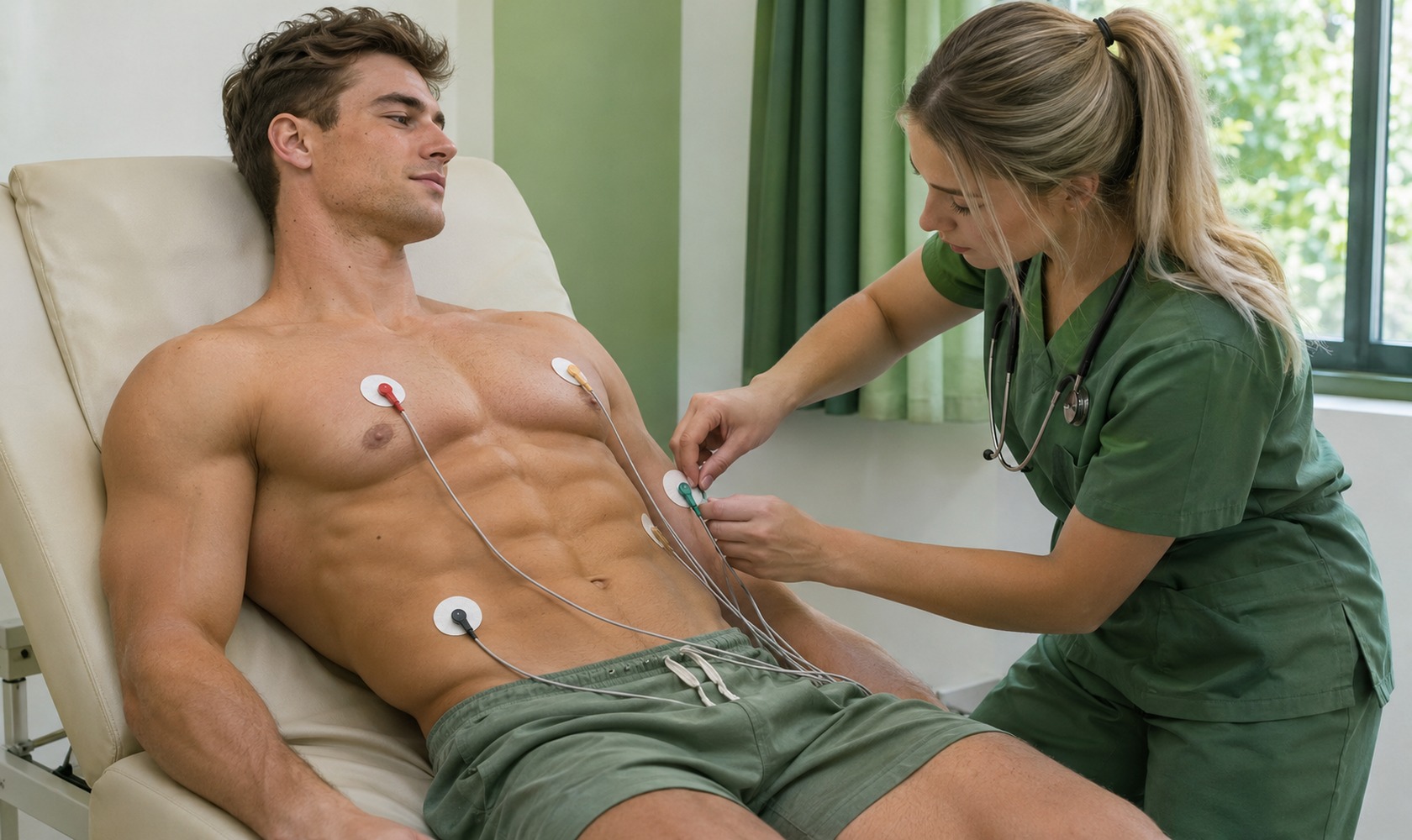
Assessment may include an electrocardiogram and blood tests. A fitness watch records only part of this picture and cannot measure potassium or exclude heart-muscle injury.
Conditions that increase concern
Rhythm disorders, coronary disease, high blood pressure, thyroid overactivity and diabetes are relevant to the cardiovascular and metabolic effects. Kidney disease also complicates electrolyte management.
Other stimulants, certain inhalers, diuretics and some antidepressants can add to the risk. Heat and strenuous exercise may make weakness or dizziness more difficult to manage. Young age and physical fitness do not exclude a serious reaction.
Why symptoms can last
Long elimination can keep symptoms going into the following day. Repeated administrations can also leave more drug present than a single exposure.
Recovery may be delayed by a complication that needs treatment, such as a potassium disturbance or an abnormal rhythm. A better pulse reading or less shaking does not establish that every problem has resolved.
Reported cardiac complications
A systematic review of reported athlete cases collected serious cardiovascular events associated with clenbuterol use. Case reports are useful for recognizing possible complications, but cannot establish the percentage risk among all users.
In a separate New South Wales poison-center series, 63 exposures were reported and at least 53 patients required hospitalization. These were reported poisoning exposures, not a representative sample of everyone who had used the substance.
When to get urgent help
Get emergency help for chest pain, fainting, severe breathlessness, seizure or collapse. A rapid or irregular heartbeat accompanied by significant weakness or dizziness also needs urgent assessment. Avoid driving if you feel faint.
For an extra or unknown amount, contact a poison information service or urgent medical service promptly. Keep the original package and report when the exposure occurred.
- Include every medicine, supplement, stimulant and recreational substance involved.
- Do not induce vomiting.
- Do not improvise treatment with potassium, sedatives or heart-rate medicines.
- Tell the treating team if the label, strength or actual contents are uncertain.